Kapwani Kiwanga: BLEED
Through April 1, 2027
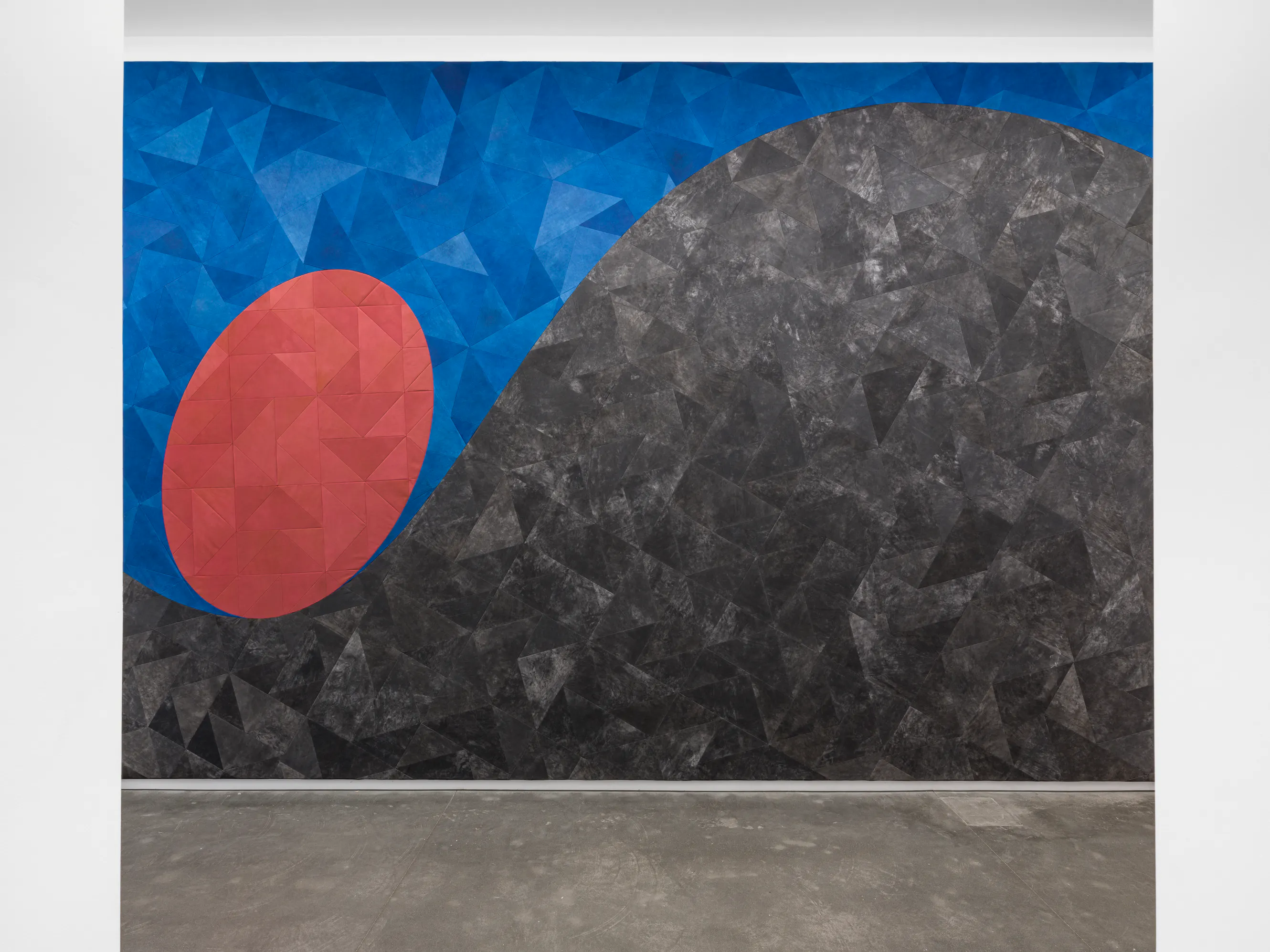
Kapwani Kiwanga: BLEED (installation view), 2026. Photo: Kris Graves
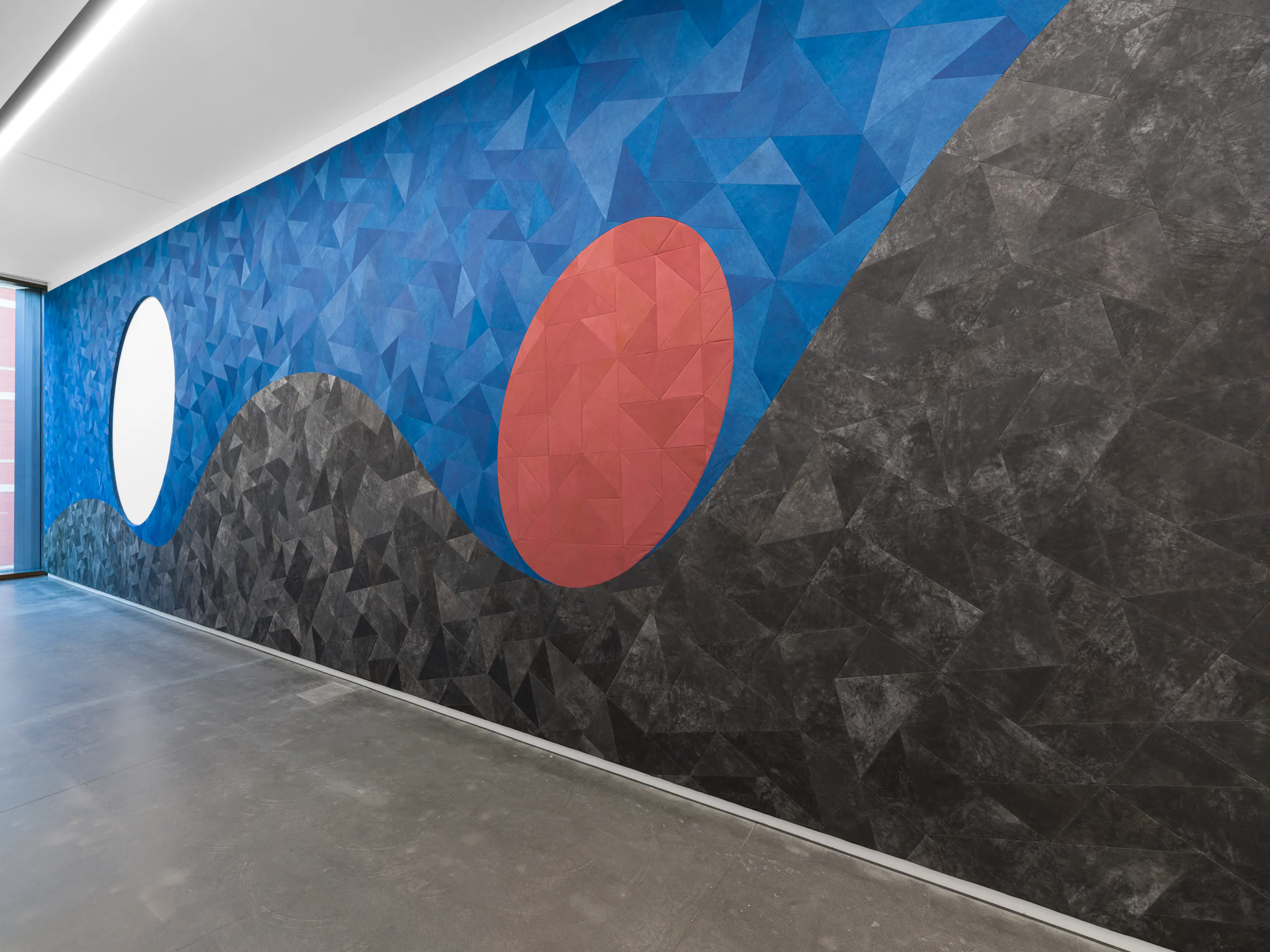
Kapwani Kiwanga: BLEED (installation view), 2026. Photo: Kris Graves

Kapwani Kiwanga: BLEED (installation view), 2026. Photo: Kris Graves

Kapwani Kiwanga: BLEED (installation view), 2026. Photo: Kris Graves
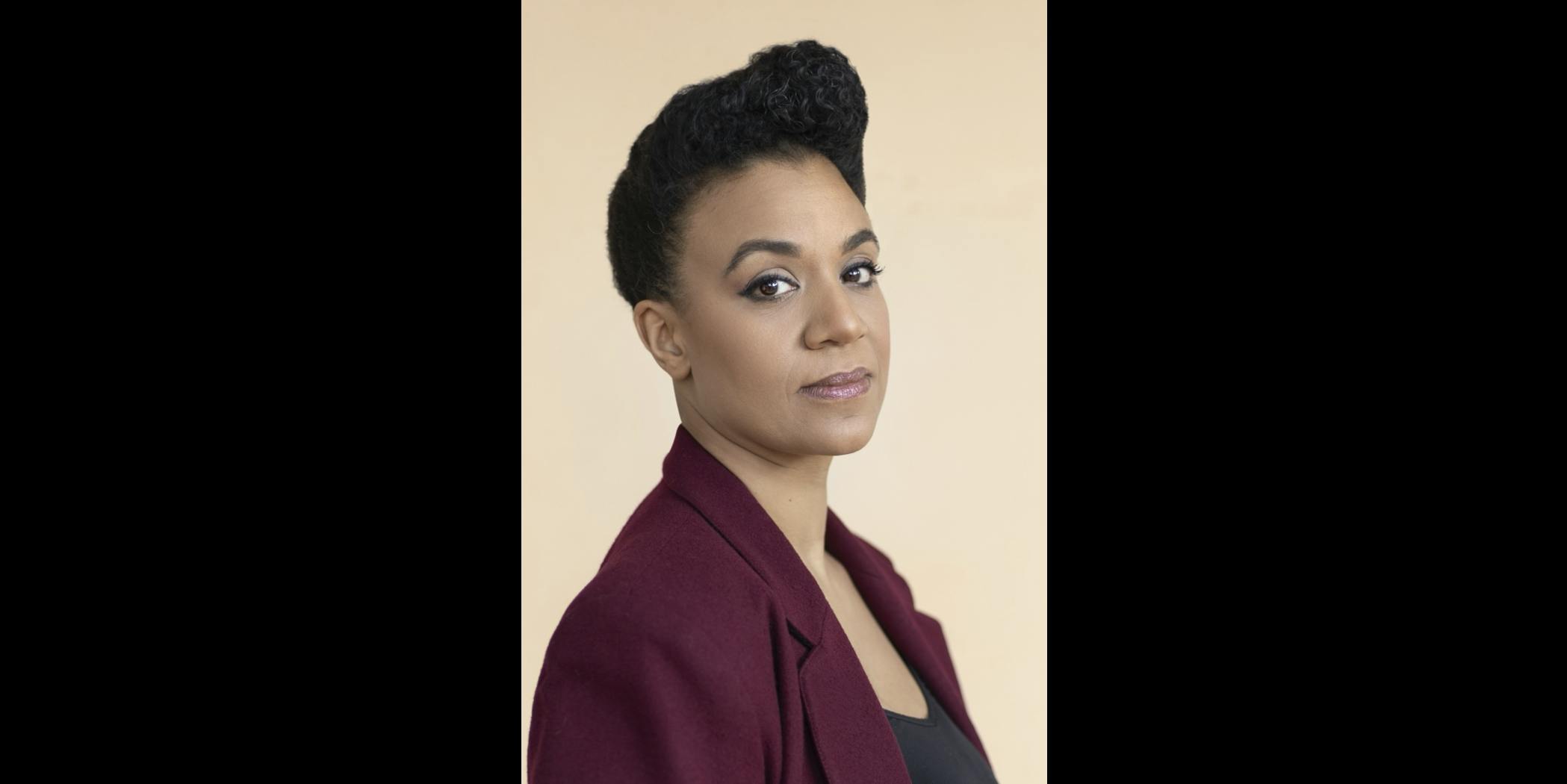
Kapwani Kiwanga. Photo: Angela Scamarcio
BLEED is a new site-specific commission by French and Canadian artist Kapwani Kiwanga. Installed in the Museum’s second-floor project gallery and on view from March 11, 2026, until April 1, 2027, BLEED draws inspiration from quilting traditions and the symbolism embedded in their intricate designs.
Along the Underground Railroad, quilts hanging on clotheslines were believed to be stitched with codes that communicated critical information. BLEED features one of these motifs—a pattern of triangles called the “flying geese” that was purported to guide people north. Expanding on this encrypted language and Black traditions of knowledge sharing, Kiwanga transposes the pattern into black, blue, and crimson undulations. To achieve these colors, Kiwanga employed three distinct natural dye processes. Oxidizing pigment with salt water collected from the Atlantic Ocean produced the dappled black fabric. Through this blend of materials, Kiwanga references the transatlantic trade and engages the sea as a witness to and keeper of memories. The deep red circular shape comes from pokeberries, which are native to North America. Although they are known for their toxicity, pokeberries are often used as a dye for clothing and, when prepared correctly, for their medicinal properties. In 1816 a Black woman named Delphy was accused of poisoning her enslaver by feeding her pokeberries, an act of self-determination that inspired Kiwanga’s use of the fruit. Indigo dye provides the careening blue swells in the work. Cultivated using the forced labor of people under the condition of slavery who brought knowledge of the plant from West Africa, indigo fueled plantation economies in the South. In BLEED, indigo illuminates Black ancestral bonds and an inherited relationship to the land. Featuring fugitive dyes, which are colors that can shift over time, BLEED is imbued with an impermanence that allows the work to become a register of the passage of time.
Kapwani Kiwanga (b. 1978, Hamilton, Canada; lives and works between Paris and Berlin) traces the pervasive impact of power asymmetries by placing historic narratives in dialogue with contemporary realities, the archive, and tomorrow’s possibilities. Her work is research-driven, instigated by marginalized or forgotten histories, and articulated across a range of materials and mediums including sculpture, installation, photography, video, and performance. Kiwanga co-opts the canon; she turns systems of power back on themselves, in art and in parsing broader histories. In this manner Kiwanga has developed an aesthetic vocabulary that she described as “exit strategies,” works that invite one to see things from multiple perspectives so as to look differently at existing structures and find ways to navigate the future differently.
Kapwani Kiwanga: BLEED is organized by Yelena Keller, Associate Curator.
Kapwani Kiwanga: BLEED
Through April 1, 2027
Kapwani Kiwanga: BLEED (installation view), 2026. Photo: Kris Graves
Kapwani Kiwanga: BLEED (installation view), 2026. Photo: Kris Graves
Kapwani Kiwanga: BLEED (installation view), 2026. Photo: Kris Graves
Kapwani Kiwanga: BLEED (installation view), 2026. Photo: Kris Graves
Kapwani Kiwanga. Photo: Angela Scamarcio
BLEED is a new site-specific commission by French and Canadian artist Kapwani Kiwanga. Installed in the Museum’s second-floor project gallery and on view from March 11, 2026, until April 1, 2027, BLEED draws inspiration from quilting traditions and the symbolism embedded in their intricate designs.
Along the Underground Railroad, quilts hanging on clotheslines were believed to be stitched with codes that communicated critical information. BLEED features one of these motifs—a pattern of triangles called the “flying geese” that was purported to guide people north. Expanding on this encrypted language and Black traditions of knowledge sharing, Kiwanga transposes the pattern into black, blue, and crimson undulations. To achieve these colors, Kiwanga employed three distinct natural dye processes. Oxidizing pigment with salt water collected from the Atlantic Ocean produced the dappled black fabric. Through this blend of materials, Kiwanga references the transatlantic trade and engages the sea as a witness to and keeper of memories. The deep red circular shape comes from pokeberries, which are native to North America. Although they are known for their toxicity, pokeberries are often used as a dye for clothing and, when prepared correctly, for their medicinal properties. In 1816 a Black woman named Delphy was accused of poisoning her enslaver by feeding her pokeberries, an act of self-determination that inspired Kiwanga’s use of the fruit. Indigo dye provides the careening blue swells in the work. Cultivated using the forced labor of people under the condition of slavery who brought knowledge of the plant from West Africa, indigo fueled plantation economies in the South. In BLEED, indigo illuminates Black ancestral bonds and an inherited relationship to the land. Featuring fugitive dyes, which are colors that can shift over time, BLEED is imbued with an impermanence that allows the work to become a register of the passage of time.
Kapwani Kiwanga (b. 1978, Hamilton, Canada; lives and works between Paris and Berlin) traces the pervasive impact of power asymmetries by placing historic narratives in dialogue with contemporary realities, the archive, and tomorrow’s possibilities. Her work is research-driven, instigated by marginalized or forgotten histories, and articulated across a range of materials and mediums including sculpture, installation, photography, video, and performance. Kiwanga co-opts the canon; she turns systems of power back on themselves, in art and in parsing broader histories. In this manner Kiwanga has developed an aesthetic vocabulary that she described as “exit strategies,” works that invite one to see things from multiple perspectives so as to look differently at existing structures and find ways to navigate the future differently.
Kapwani Kiwanga: BLEED is organized by Yelena Keller, Associate Curator.